July 20, 2026
Where to Find Your VIN for a Steering Wheel Fitment Check
Find your 17-character VIN on the vehicle, in official documents, or through supported owner apps before sending it with steering wheel photos for a fitment review.
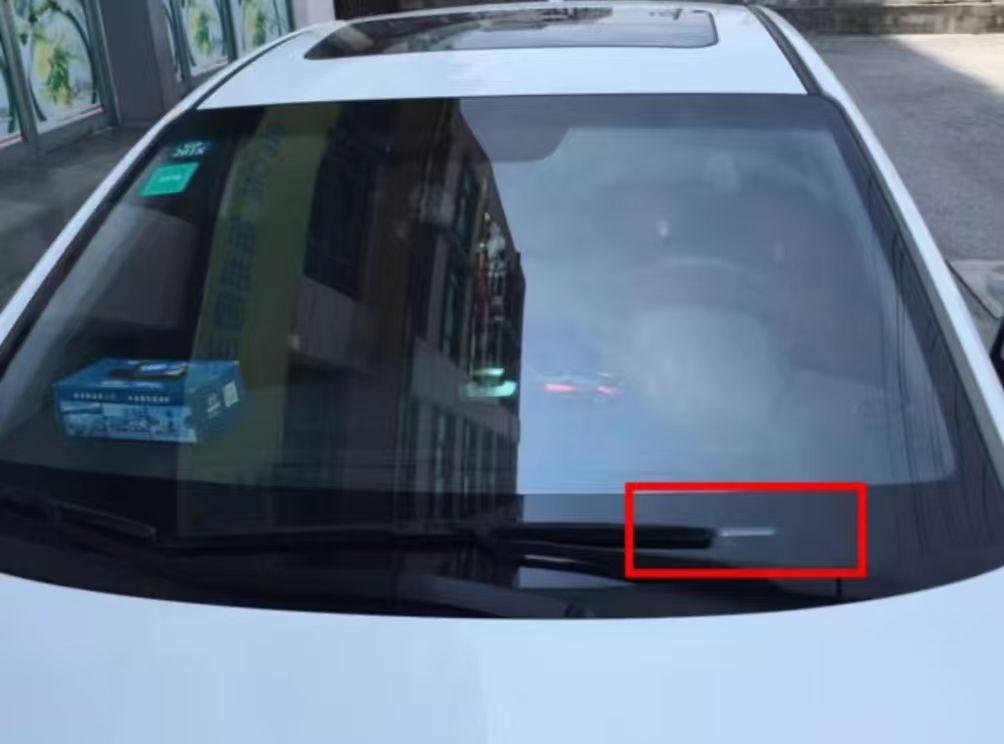
If you are trying to find your vehicle identification number, start with the lower corner of the dashboard where it meets the windshield or the label inside the driver-side door opening. Those are the two most common VIN locations on modern passenger vehicles. You may also find the same number on your registration, title, insurance documents, manufacturer app, or vehicle information screen.
For a custom steering wheel inquiry, the VIN should be sent together with clear photos of the steering wheel currently installed in the vehicle. The VIN helps identify the original vehicle configuration, while the photos show the wheel, controls, and equipment that are actually present. Together, they allow a final review of fitment, function requirements, and any modules that may be needed before the quote is confirmed.
What Is a VIN?
VIN stands for vehicle identification number. It is the identifying code assigned to a specific vehicle. The code can contain information about the manufacturer, vehicle type, model year, assembly plant, and the individual production sequence.
Under current U.S. requirements, a modern VIN contains 17 letters and numbers. The letters I, O, and Q are normally excluded so they are not confused with the numbers 1 and 0. The NHTSA VIN Decoder can be used to check information encoded in a VIN after you have located and copied it.
Vehicles produced before the standardized 17-character system may use a shorter identification number. Classic vehicles can also use a chassis number, frame number, or manufacturer serial number whose format depends on the year, brand, and market. When working with an older vehicle, use the number shown in the original vehicle documents and confirm it against the identification stamped or attached to the vehicle.
Are All VINs 17 Characters?
Modern passenger vehicles using the standardized VIN system normally have a 17-character VIN. The main exceptions are older vehicles—especially many vehicles produced before 1981—and some market-specific identification systems.
If the number you find is shorter than 17 characters, do not add zeros or guess at missing characters. Check the vehicle year, market, and original documents. On older vehicles, the relevant identifier may instead be listed as a chassis number, frame number, or manufacturer serial number.
The Fastest Places to Find Your VIN
1. Look Through the Windshield
Stand outside the vehicle and look through the lower edge of the windshield toward the dashboard. On many vehicles, the VIN plate is visible near the driver-side corner. Depending on the vehicle and market, it may appear on the opposite side or closer to the center.
This is often the fastest place to check because you do not need to remove any trim. Wipe the outside of the windshield if glare, dust, or reflections make the characters difficult to read.
2. Open the Driver-Side Door
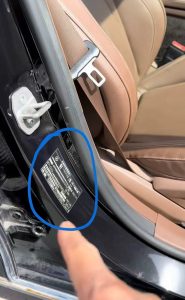
Check the driver-side door jamb, door pillar, and the edge of the door. The VIN may be printed on a certification label or vehicle data plate together with manufacturing, weight, tire, or paint information.
Do not assume that every number on the label is the VIN. Look for a 17-character sequence identified as VIN or vehicle identification number, and compare it with the number visible through the windshield.
3. Check the Floor or Under a Front Seat
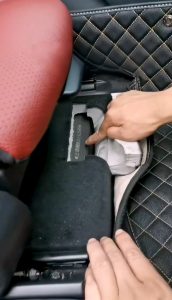
Some vehicles have an additional VIN stamped into the floor or body structure. It may be under a front seat, beneath a carpet flap, or behind a removable trim cover. This location varies considerably by model and production market, so check the owner’s manual before moving trim or lifting carpet.
Never remove safety-related components or seat wiring simply to look for the VIN. If the stamped location is not easily accessible, use the windshield plate, door label, or official documents instead.
4. Check the Engine Compartment or Body Structure
Depending on the vehicle, an identification number may also be engraved or stamped in the engine compartment, on the firewall, on a frame section, near a door sill, or elsewhere on the body. These secondary locations are more model-specific and may be harder to access.
Use the vehicle owner’s manual or the manufacturer’s official support information to identify the correct location. A component serial number or engine number is not automatically the vehicle’s VIN.
How to Find the VIN Without Looking at the Vehicle
If the vehicle is not nearby, check the documents and digital services associated with it. Common sources include:
- Vehicle registration
- Certificate of title or ownership document
- Insurance card or insurance policy
- Lease or loan documents
- Manufacturer app or online owner account
- Service or repair documentation that identifies the vehicle
- The vehicle information page in some infotainment systems
Digital availability varies by brand and model. BMW, for example, provides VIN information through the My BMW App, while Ford lists the VIN in the Ford App, Ford Account, and supported SYNC systems. Audi identifies the driver-side dash, registration card, insurance card, and some MMI systems as possible sources. Tesla lists the touchscreen, windshield plate, statutory plate, and additional body locations depending on the factory and model.
If two sources show different characters, do not guess which one is correct. Compare the documents with the VIN attached to or stamped on the vehicle and ask the vehicle manufacturer or the appropriate registration authority for help if the discrepancy remains.
Why We Request Both the VIN and Steering Wheel Photos
A VIN is useful because it helps identify the vehicle’s original factory configuration. However, the VIN does not show whether a previous owner has replaced, retrofitted, or modified the steering wheel. Clear current photos close that gap.
For a SteeringCraft fitment review, send:
- The complete VIN typed as text
- A clear photo of the VIN so the characters can be checked
- Vehicle year, brand, model, and market
- Clear front and detail photos of the current steering wheel
- A reference image or Gallery link showing the wheel style you want
- The functions you want to retain
Send the VIN privately through the SteeringCraft contact page. Do not post an unredacted VIN in public comments, forums, or social media images.
Which Steering Wheel Functions Need to Be Confirmed?
The function review focuses on equipment that may require the correct steering wheel structure, sensor layer, wiring, or supporting module. Depending on the original vehicle, that may include:
- Cruise-control support
- Adaptive cruise control (ACC) support
- Steering wheel heating
- Vibration or lane-assist feedback
- Hands-on detection (HOD), sometimes described in supplier literature as hands-off detection
The buttons and touch-control layout should follow the original vehicle configuration. They are the controls used to operate vehicle systems rather than separate functions in this checklist.
Paddle shifters also need to be described accurately. If the original vehicle has functional paddles, the custom wheel can be specified with the appropriate paddle configuration. If the original vehicle does not have paddle-shift capability, paddles may be omitted or added only as a visual detail; adding the paddles alone does not create a working shift function.
The airbag and trim configuration is matched to the selected steering wheel shape. It is handled as part of the physical configuration review rather than being listed as an original steering wheel function.
With the VIN and current steering wheel photos, the team can make the final fitment and function assessment, determine the required configuration, and prepare the final quote. The final quote can account for any additional modules identified during the fitment review.
What If the Preferred Wheel Shape Cannot Retain a Function?
If the selected steering wheel shape is not suitable for the required configuration, the first option is to recommend another wheel shape that better supports the original equipment.
When a required function is temporarily limited by a technical constraint, the available next step can be reviewed for the individual build. SteeringCraft can provide an estimated development direction, arrange remote coding when the solution becomes available, and send any missing supporting parts required for the agreed solution.
Some owners may choose an appearance-focused configuration without retaining every original function. That choice can produce warning messages or diagnostic trouble codes. The owner must arrange appropriate diagnosis and coding through a qualified local vehicle service center or automotive coding specialist after installation. Warning messages should not simply be ignored, especially when they relate to driver-assistance or safety equipment.
How to Copy and Send a VIN Correctly
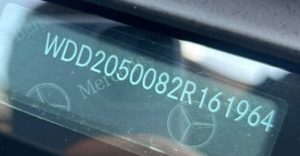
- Count the characters. A modern VIN should normally contain 17.
- Check for typing mistakes. Standard modern VINs normally do not use I, O, or Q.
- Compare the windshield or door label with an official document.
- Send the VIN as typed text so it can be copied accurately.
- Include a clear private photo for visual confirmation.
- Add current steering wheel photos and identify the functions you need to retain.
Do not send only a license plate number. A license plate identifies a registration record and can change when a vehicle is sold, transferred, or registered in a different region. The VIN is tied to the vehicle itself.
For general fitment and order-preparation information, review the custom steering wheel FAQ and compare reference styles in the SteeringCraft Gallery.
Frequently Asked Questions
Is a VIN the same as a license plate number?
No. A VIN is the vehicle’s identification number, while a license plate is issued through a registration authority. For a fitment review, provide the VIN rather than only the license plate number.
Can I find my VIN if I am away from the vehicle?
Usually. Check the vehicle registration, title, insurance documents, lease or loan paperwork, manufacturer app, or online owner account. Availability varies by country, brand, and model.
Are all VINs 17 characters long?
Modern passenger vehicles normally use a 17-character VIN. Older vehicles, especially those produced before the standardized system, may have a shorter identification number or a different chassis-number format.
Is the VIN alone enough to confirm a custom steering wheel?
No. SteeringCraft uses the VIN together with clear photos of the steering wheel currently installed in the vehicle. The VIN helps identify the original configuration, while the photos help verify the actual wheel, controls, and equipment present today.
Can a VIN confirm whether my steering wheel has heating or hands-on detection?
The VIN can help identify the original factory equipment and required configuration. Current steering wheel photos are also required because the vehicle may have been modified after production.
Is it safe to share my VIN?
Share it privately when it is needed for a legitimate fitment review, insurance, registration, service, or parts inquiry. Avoid publishing a complete VIN in public photos, comments, or social posts. Redact several characters when using a VIN image for general illustration.
Prepare the VIN Before Your Fitment Inquiry
Finding the VIN usually takes only a few minutes. Start at the lower windshield and driver-side door opening, then check the registration, title, insurance documents, manufacturer app, or vehicle information screen if necessary.
For a custom steering wheel review, send both the VIN and clear photos of the current wheel. That combination allows the fitment direction, original functions, required modules, and final quote to be reviewed before the build is confirmed.
When you are ready, send your VIN, steering wheel photos, and preferred style through the contact page.
KEY TAKEAWAYS
Find and Verify Your VIN Before a Fitment Review
Modern VINs normally contain 17 characters and are commonly found at the lower windshield, inside the driver-side door opening, on vehicle documents, or in supported owner apps. Send the VIN together with clear photos of the current steering wheel so fitment, original functions, required modules, and the final quote can be reviewed.
Check the Vehicle
Start at the lower windshield and driver-side door opening, then check model-specific stamped locations if needed.
Check Your Documents
The registration, title, insurance documents, manufacturer app, or owner account may also show the VIN.
Prepare the Inquiry
Send the VIN privately with current steering wheel photos, vehicle details, required functions, and a preferred style reference.
FITMENT REVIEW
Ready to Confirm Your Steering Wheel Setup?
Send your VIN, current steering wheel photos, vehicle details, and preferred style for a fitment and function review.