July 18, 2026
How to Choose Steering Wheel Stitching Colors for a Custom Build
Compare matching, contrast, and three-color stitching options—including BMW standard tri-color basting stitch—before confirming a custom steering wheel build.
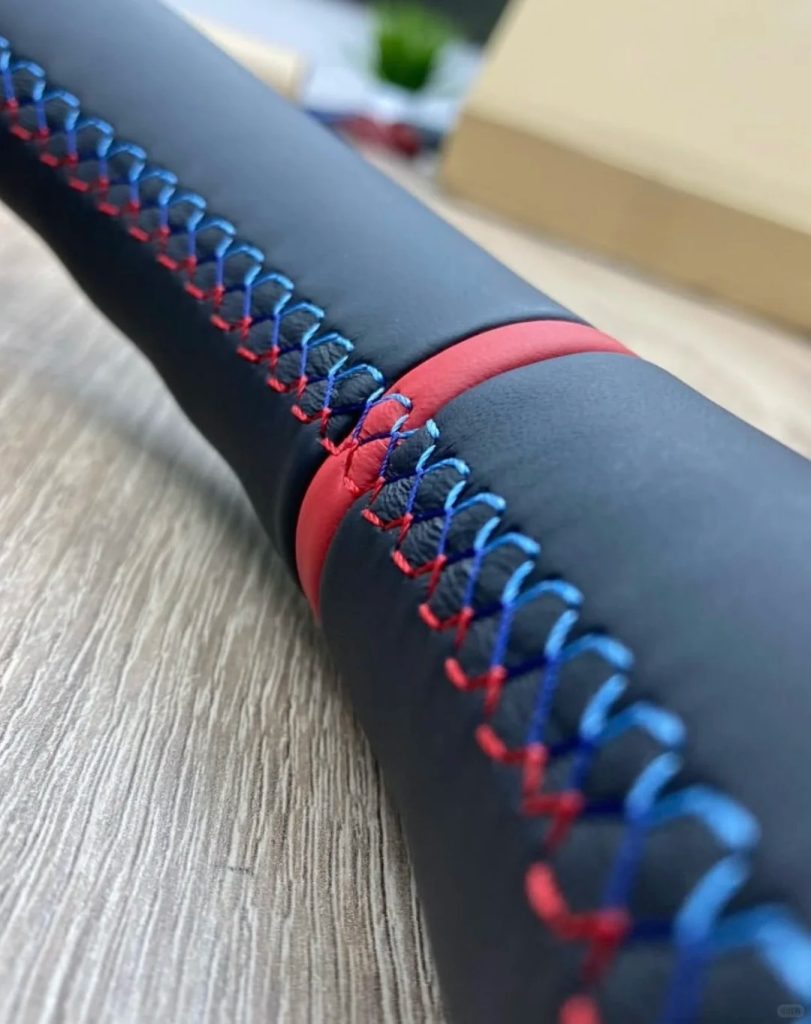
Stitching may be one of the smallest details on a custom steering wheel, but it has a major effect on how finished the wheel looks. The right color can tie the leather, carbon fiber, center marker, and surrounding interior together. The wrong combination can make an otherwise clean build feel unnecessarily busy.
The simplest way to choose is to decide whether you want the stitching to blend in or stand out. Match the thread to the main leather or carbon-fiber accent for a clean, unified appearance. Choose a contrasting color when you want the seam to become a visible design feature. If you prefer a more expressive look, a three-color combination can add detail without changing the wheel’s main material layout.
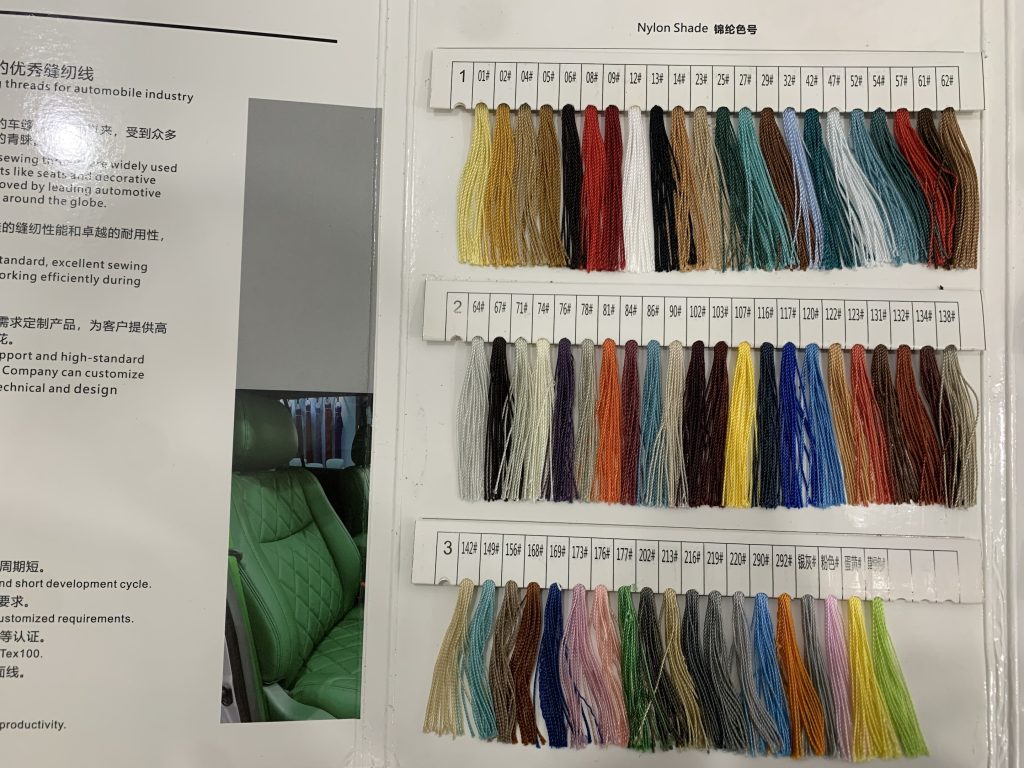
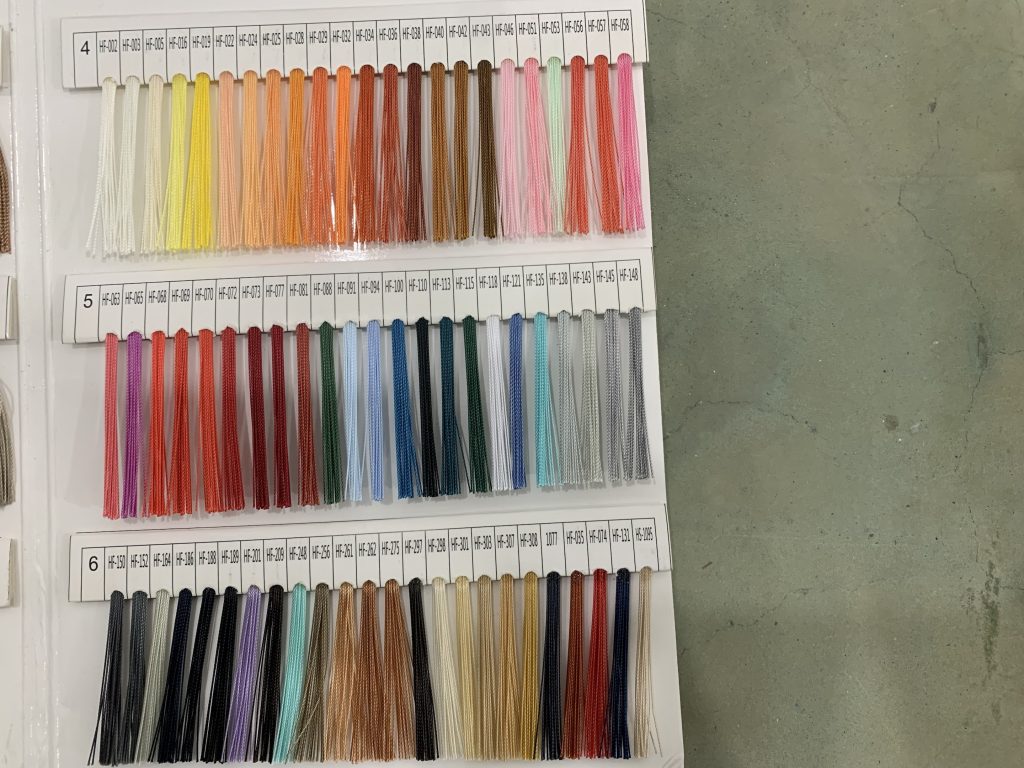
SteeringCraft offers 133 orderable thread colors intended for automotive interior applications. The thread is selected for flexibility, a smooth hand, and lasting color performance. A custom wheel can use one thread color or a three-color arrangement, and the wheel rim and airbag cover can be specified with different stitching colors.
Why Stitching Color Matters
Most of the steering wheel is defined by larger surfaces: leather, Alcantara, carbon fiber, trim, and the center marker. Stitching sits between those surfaces and visually connects them. Because the seam runs around the grip, even a narrow line of color is repeated across much of the wheel.
That makes stitching more influential than it first appears. Black thread on black leather keeps attention on the wheel shape and materials. Red thread on black leather adds a sporty accent. A thread color that repeats a colored carbon section or center marker can make separate design elements feel intentional rather than unrelated.
Before choosing a color, look at the complete wheel instead of the thread chart alone. Consider the grip material, carbon-fiber color, center marker, trim, and the colors already present in the vehicle’s interior.
We offer 133 orderable thread colors, from subtle OEM-style tones to bold contrast combinations.
Matching Stitching for a Clean, Unified Look
Matching is the safest direction when you want an OEM-inspired or understated result. The goal is not always to find a thread that disappears completely. Instead, the thread should sit within the same color family as the surrounding material or a major accent.
For example:
- Black stitching on black leather creates a subtle, integrated seam.
- Gray stitching can complement gray leather, silver trim, or a neutral carbon-fiber finish.
- Red stitching can coordinate with red leather sections, a red center marker, or another controlled accent.
- Blue stitching can connect with blue carbon fiber or other blue interior details.
Matching colors are especially useful when the wheel already combines several materials. If the wheel includes leather, carbon fiber, a colored center marker, and distinctive trim, a quieter stitching choice can keep the overall design balanced.
Contrast Stitching for a More Visible Accent
Contrast stitching works well when you want the hand-finished seam to be part of the design. Light thread on dark leather creates a strong outline, while red, blue, orange, or another accent color can give a black wheel a more performance-oriented appearance.
The key is repetition. A contrast color usually looks most deliberate when it appears somewhere else in the build or interior. That could be the center marker, a colored carbon-fiber section, seat stitching, or another visible accent. Using one color in two or three controlled places is often more cohesive than introducing a thread color that appears nowhere else.
Contrast also makes stitch spacing and seam alignment easier to see. If you choose a highly visible color, the quality of the hand-finishing becomes part of the visual result rather than a background detail.
Single-Color or Three-Color Stitching?
Our standard hand-laced pattern is a basting stitch. It can be completed with one color repeated throughout the pattern or with three colors arranged through the alternating stitch positions.
Single-color stitching is the most versatile option. It works for understated builds, strong contrast designs, and wheels where the materials already provide enough visual detail. It is also easier to coordinate with the airbag cover and other interior stitching.
Three-color stitching creates a more graphic seam. The colors should be selected as a group, not as three independent choices. A balanced combination normally includes colors that already relate to the vehicle, the wheel materials, or a recognizable design theme.
When finished in the BMW standard red, blue, and dark blue combination, the pattern is commonly described as BMW tri-color basting stitch, or simply M-stitch. The featured image supplied with this article shows how the three colors alternate along a black wheel rim beside a red center marker. This is one available configuration, not a default treatment for every steering wheel. You can also browse BMW steering wheel references for related material and color directions.
Coordinating the Wheel Rim and Airbag Cover
The steering wheel rim and airbag cover do not have to use the same stitching color. Matching them creates a continuous design, while different colors can be used to separate the two areas or connect each area with a different material.
For most builds, consistency is the easier choice. If the rim uses red stitching and the airbag cover also includes a stitched detail, repeating the same red usually produces a more unified result. Different colors can work, but they should have a clear reason—for example, one color matching the grip and another matching the center section.
When reviewing a design, ask for the rim stitching and airbag-cover stitching to be listed separately. This helps prevent assumptions when the final specification is confirmed.
Thread Quality and Hand-Finished Detail
Color is only part of the result. Steering wheel thread should also feel appropriate against the grip material and form a clean seam without a coarse, unfinished appearance. The supplied thread charts show a wide range of automotive-interior colors, including neutral, bright, warm, cool, and metallic-looking shades.
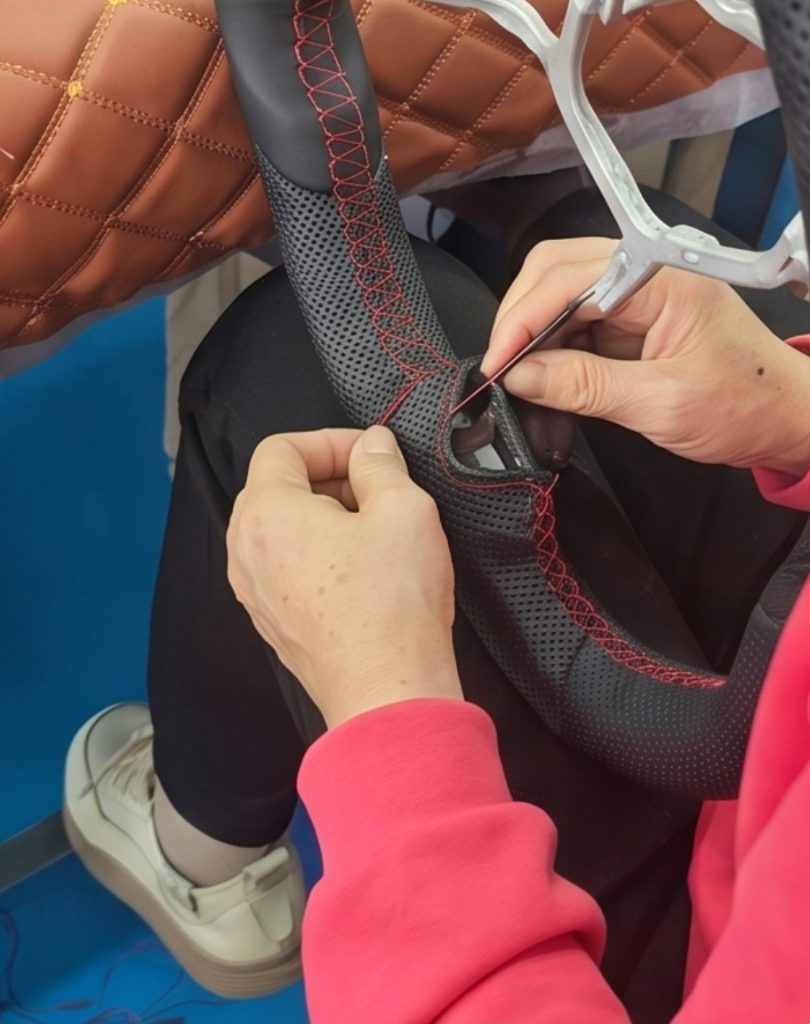
Each SteeringCraft wheel is stitched by hand. The goal is a dense, orderly seam without rough loose ends distracting from the finished surface. Each completed wheel also receives a workmanship quality check before shipment.
Because lighting and screens can change how a color appears, use the thread chart as a selection reference rather than assuming every shade will look identical in every photo. Clear reference images and a written color description make the final discussion more reliable.
What to Prepare Before Confirming Your Stitching Color
Before sending an inquiry, prepare the information that affects the full design—not just the thread color:
- Vehicle year and model
- Clear photos of the current steering wheel
- A reference image showing the style you want
- Preferred grip material, such as leather or Alcantara
- Carbon-fiber or trim color, if applicable
- Preferred center-marker color, if applicable
- Single-color or three-color stitching direction
- Separate stitching preferences for the wheel rim and airbag cover
- Any interior colors you want the wheel to match
Browse steering wheel stitching and material references or continue to the SteeringCraft Gallery to compare material and color combinations. When you find a useful reference, save the product link and include it with your vehicle details. The reference helps communicate the visual direction, while fitment and final specifications still need to be reviewed for the individual build.
For more order-preparation information, review the custom steering wheel FAQ.
Frequently Asked Questions
How many steering wheel stitching colors are available?
SteeringCraft offers 133 orderable thread colors intended for automotive interior applications. Confirm the final shade during the specification review because lighting and screen settings can affect how colors appear in photos.
Should steering wheel stitching match the leather?
It does not have to, but matching the thread to the leather, carbon-fiber accent, or another major color usually creates a more unified appearance. Contrast stitching is a good option when you want the seam to stand out.
Can I choose more than one stitching color?
Yes. The wheel-rim seam can use one color or a three-color arrangement. Choose the three colors as a coordinated set so the seam supports the rest of the wheel design.
Can the wheel and airbag cover use different stitching colors?
Yes. Different colors can be specified for the wheel rim and airbag cover. List both choices separately when submitting the design details.
What should I send before confirming a stitching color?
Send the vehicle year and model, current steering wheel photos, preferred materials, reference images, and the colors you want to match. Also state whether you want single-color or three-color stitching and whether the airbag cover should use the same color.
Choose the Color as Part of the Complete Wheel
There is no single best stitching color for every custom steering wheel. The best choice is the one that supports the rest of the design.
Choose a matching color for a clean, coordinated appearance. Use contrast stitching when you want the seam to become a visible accent. Select three colors when the combination has a clear relationship to the vehicle or the build theme. In every case, review the thread together with the leather, carbon fiber, center marker, trim, and airbag-cover details before confirming the specification.
Ready to discuss a stitching direction? Send your vehicle details and stitching ideas for a custom-build review.
KEY TAKEAWAYS
How to Choose Steering Wheel Stitching Colors
Match stitching to the wheel materials for a clean look, use contrast when you want the seam to stand out, or choose BMW standard tri-color basting stitch for a more distinctive finish. Confirm the wheel-rim and airbag-cover colors separately before ordering.
Style reference
Compare stitching colors and material combinations in the SteeringCraft Gallery.
Related FAQ
Review fitment and custom-order questions before sending your vehicle details.
Inquiry direction
Send your vehicle year and model, current steering wheel photos, preferred materials, and stitching colors for review.
CUSTOM BUILD INQUIRY
Ready to Confirm Your Stitching Colors?
Send your vehicle model, current steering wheel photos, preferred materials, and stitching color ideas for a custom-build review.